Check out the winter sale! Check →


What is jewelry anodization?
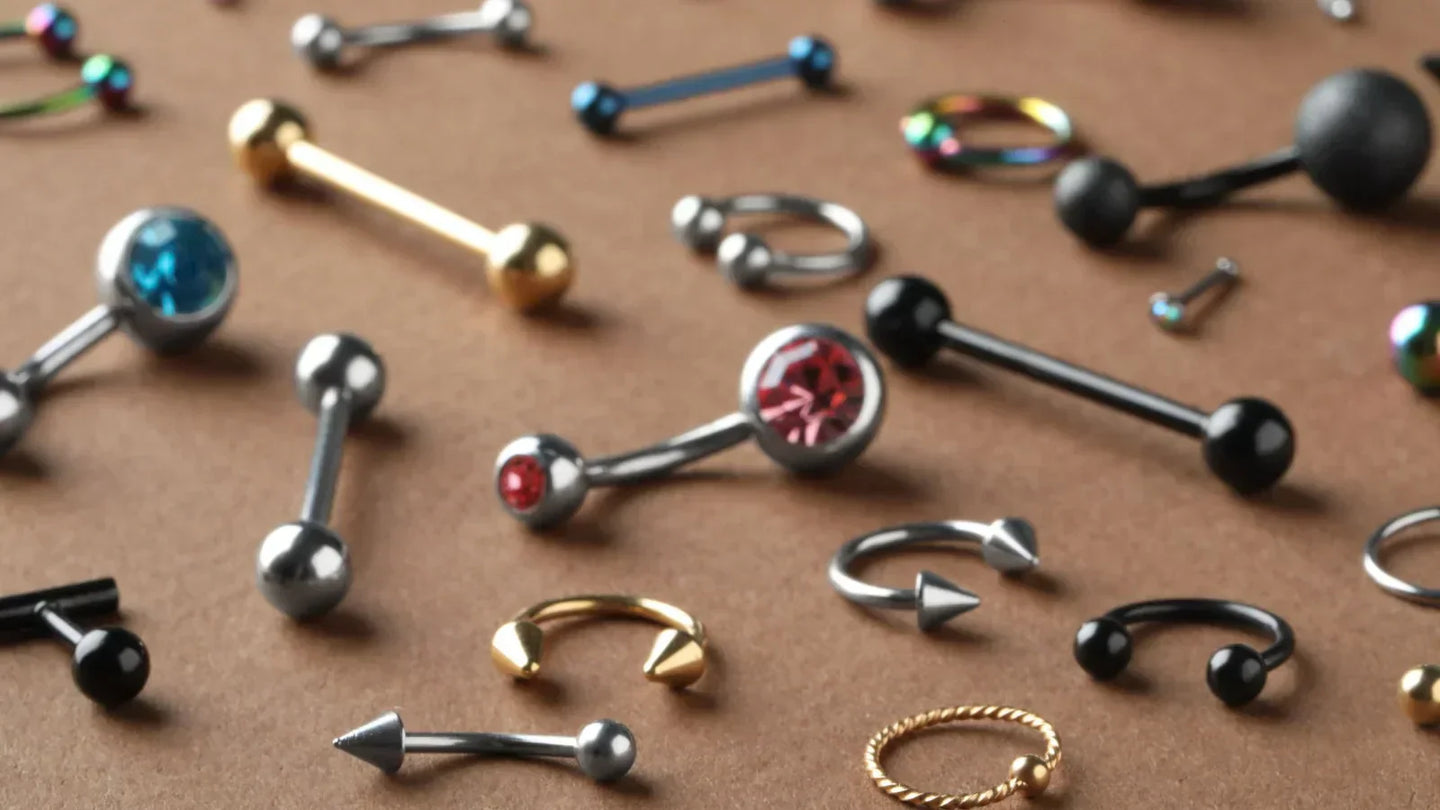
In response to customer demand , jewelry manufacturers and piercers have expanded their store assortments to include colorful earrings. How do they achieve such incredible hues? Well, the answer is simple – anodizing piercing jewelry is the reason we have such a wide selection of earrings on the market! In this article, we'll explain what anodization is, which metals can be treated with this process, and… answer one of the most important questions: Is anodization safe for your health?
WHAT IS ANODIZATION?
Anodization is a surface treatment of various metals ; it's primarily used on aluminum, some types of steel, titanium, and magnesium alloys. This is one reason why this process is so effective for piercing jewelry, as most piercings are made of highly polished IMPLANT GRADE ASTM-F13 titanium. Okay, but what exactly is anodization?
During this process, an electric current forms an oxide layer on the item. By placing the metal in an electrolyte solution and applying an electric current at the appropriate voltage, the specialist can achieve a specific color. It's worth noting that anodizing jewelry creates a durable, corrosion-resistant oxide layer on the surface of the earring.
WHICH METALS CAN BE ANODIZED?
As we have already mentioned, anodization can be used on various metal alloys, but the most commonly subjected to this process are:
- aluminum;
- titanium;
- magnesium alloys;
- some types of steel.
Anodization has been successfully used for years to mechanically protect metal surfaces in various industries (e.g., in the production of climbing and military equipment ). Over time, it has also found applications in the decorative industry, thanks to the use of an electrolyte solution in the process, which allows for electrical conductivity. Thanks to this process, piercings can be dyed almost any color!

WHAT COLORS CAN WE OBTAIN IN THE ANODIZATION PROCESS?
Speaking of colors, anodizing piercing jewelry allows you to achieve almost any color… except black and white. Why? They're simply more difficult to achieve using traditional anodizing methods. So what determines the color of the dyed metal? Well, the most important factors are:
- oxide layer thickness – a thicker coating produces greater color saturation. A thinner one, on the other hand, produces a more delicate effect.
- a type of anodized metal – aluminum will be the easiest to process.
Okay, so what exact piercing colors can be achieved with jewelry anodization? From classic gold, through various shades of blue, purple, orange, red, and even green. Literally, every color of the rainbow!
IS ANODIZATION SAFE FOR HEALTH?
Anodizing jewelry is a process that (originally) was intended to improve the durability of the metal. Therefore, the visual aspect played a marginal role… but that doesn't mean that anodizing is harmful to our health!
The oxide layer that forms on the metal surface is durable and corrosion-resistant; this makes piercing jewelry safe. Even for fresh piercings! However, it's worth noting that improperly anodized jewelry can lead to the formation of certain, not entirely safe, chemicals. Therefore, anodized jewelry should be purchased from reputable manufacturers!
Summary
Anodizing piercing jewelry is a chemical process that, through the precipitation of oxides, creates durable, colored coatings on various metal alloys. The colors depend on the type of metal and the thickness of the oxide layer covering its surface. Anodizing is safe for health, provided the jewelry is manufactured and sold by trusted manufacturers.